
This how and when to overseed your lawn guide will ensure you have a lawn in good shape, knowing when the right time is to seed and look after your green grass. If you are wondering what overseeding is - it is a technique where seeds are sown into an existing lawn. Depending on the size of your property, the time it takes to overseed can vary, but it’s known to be an excellent way of growing a healthy lawn without weeds. Overseeding also means you’ll be growing your lawn without the use of chemicals.
Are you ready to restore your lawn?
To achieve a dense, professional finish when reseeding or overseeding, choosing the correct commercial-grade seed mix is vital. We highly recommend utilising a high-quality lawn seed mix paired with a seasonal fertilizer to accelerate deep root establishment.
Why overseed your lawn
You might notice your lawn growing thinly over the years and patchy in places, allowing weeds to grow in the bare areas. Overseeding is perfect for these areas but can also be used to thicken up most areas of the lawn. A thick, healthy lawn is also naturally more resistant to weeds, drought, and disease - saving you time and effort in the long run.
When to overseed your lawn
The ideal times to overseed lawns are in springtime from March to early May, and then late summer into early autumn from the end of August into September. Autumn is by far the best time to overseed and try not to do this, however much you are tempted, in the summer time. If you overseed in high heat, you’ll most likely be wasting your time and resources. So avoid overseeding during hot summer days, and choose a colder day instead.
How to overseed your lawn
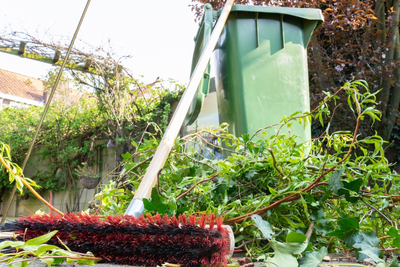
- Start by removing weeds and any fallen leaves or anything else in the way. You can also use a scarifier to remove moss if needed.
- Mow the lawn on a low setting and remove all clippings.
- Aerate your soil by forking holes into the lawn and adding a thin dressing layer over the area to be seeded. A product like Gro-Sure Lawn Seeding Soil makes an excellent topdressing - its fine blend of peat, loam and sand improves seed-to-soil contact for faster germination.
- Sow your seeds as per the packet instructions and lightly rake to ensure the seeds are in contact with the soil. For most gardens, the Gro-Sure Multi Purpose Lawn Seed is a reliable all-rounder ideal for overseeding worn areas.
- Lightly press down, walk or pat the area.
How to care for your overseeded lawn
You will need to make sure the grass seeds don’t completely dry out. They need moisture to survive. Water with a fine rose fitting to ensure the seeds don’t get washed away by too much pressure, and keep moist to ensure the seeds germinate. Your lawn will need mowing, but start low in spring and raise the setting. For newly sown seeds, make sure the grass is at least 5cm to 8cm before you cut on a high setting.
Choosing the right grass seed for your garden
Not all lawns are the same, and choosing the right seed for your specific conditions makes a real difference to the end result. Here’s a quick guide to help you pick the best match:
- General-purpose lawns: For most Irish gardens, a good multi-purpose mix covers all the bases. The Gro-Sure Multi Purpose Lawn Seed is a hard-wearing blend ideal for new lawns and overseeding alike, with strong colour retention throughout the season.
- Faster results and earlier sowing: If you want to seed early in the year or are after quicker establishment, opt for a fast-acting variety. The Gro-Sure Fast Acting Lawn Seed germinates from as low as 7°C, making it perfect for early spring or late autumn projects.
- Shady gardens: Grass under trees or in shaded corners is one of the most common challenges. Standard seed mixes struggle in low light, so look for a seed specifically blended for shade - such as Johnsons Shady Lawn, available in our lawn seed range. Fine fescues make up the bulk of most shade mixes as they tolerate lower light levels far better than rye or bluegrass varieties.
- High-traffic and family lawns: Gardens that see a lot of foot traffic benefit from robust, wear-tolerant seed mixes containing perennial ryegrass. See more on this in the family-friendly lawn section below.
Repairing pet damage and worn patches
Dogs and cats are wonderful, but they can be tough on a lawn. Urine scorch from dogs causes yellow or brown dead patches, while digging, running, and general activity creates worn tracks over time. The good news is these patches are very straightforward to repair.
For yellowing caused by pet urine, water the affected area thoroughly as soon as you notice it - diluting the nitrogen concentration in the soil is key to preventing permanent damage. Once the patch has died back, fork it over lightly to break up the surface, apply a thin layer of lawn seeding soil and reseed. The Gro-Sure Smart Seed Fast Start is a particularly good choice here - it’s treated with Aqua Gel technology that retains moisture around the seed, boosting germination success even in tricky spots.
For ongoing protection, Westland SafeLawn is worth keeping to hand. This pet- and child-friendly lawn feed combines natural nutrients with added grass seed, helping to fill in bare patches and build a stronger, thicker sward over time without any harsh chemicals.
For heavily worn tracks or compacted paths, aerating with a garden fork before reseeding makes a big difference. Breaking up compacted soil allows the new roots to establish properly rather than sitting on top of a hard surface.
Creating a family-friendly lawn
A lawn that has to cope with children, pets, garden furniture, and regular play needs to be built tougher than an ornamental show lawn. The key is choosing wear-tolerant seed varieties and feeding regularly to maintain density - a thick lawn repairs itself far more quickly than a thin one.
When overseeding a family lawn, look for mixes that contain a high percentage of perennial ryegrass. It germinates quickly, establishes a strong root system, and recovers well from heavy use. For feeding, Westland SafeLawn Lawn Fertiliser Granules are an excellent option for households with children and pets - they’re safe to use immediately after application with no need to keep the family off the grass while it soaks in.
A few additional tips for family lawns:
- Raise your mowing height slightly during periods of heavy use - longer grass is more resilient and recovers faster.
- Aerate in autumn to relieve compaction from a summer of activity, then overseed any worn areas before the colder weather sets in.
- Avoid mowing when the ground is very wet and soft, as this causes more surface damage and ruts.
- Consider using a rotary spreader when applying seed or fertiliser - it ensures an even coverage across the whole lawn, avoiding the patchiness that comes from hand-broadcasting.
Keeping on top of lawn care year-round
Keeping a nice lawn is one of gardening’s great pleasures, and it doesn’t have to be as hard as it looks. Overseeding will definitely help to keep it thick and green, but combining it with a regular feeding programme makes the biggest difference over time. A well-fed lawn crowds out weeds naturally, meaning less intervention is needed throughout the year.
Ready to get started?
Visit us in store or browse our full range online for grass seed, fertilisers, spreaders, and all the tools needed for a thriving lawn.